


Introducing a new educational tool can enrich lessons, personalize learning, better address student diversity, and make teachers’ work easier. However, having a strong digital solution does not guarantee effective implementation.
For a tool to transform the learning experience, the faculty must understand it, value it, and incorporate it gradually. The key is not only to present its features, but also to support teachers as they discover how it can help them.
Why Isn’t It Enough to Simply Present the Tool?
When a new digital solution arrives at a school, it is sometimes assumed that an initial training session is enough. The content is explained, teachers are shown how to access it, and everyone expects them to start using it naturally.
But real adoption does not work that way. A new tool can create doubts or feel like an additional burden if the faculty does not clearly see its usefulness.
That is why the starting point should be pedagogical. Before talking about features, it is important to answer one key question: Why do we want to use this tool?
When teachers understand that it can help reinforce content, motivate students, or make it easier to track progress, the conversation changes. It is no longer about learning “one more platform,” but about having a resource that can improve teaching.
Listen Before Training
Every teaching team starts from a different reality. Even within the same school, not all teachers have the same experience or expectations when facing a new tool. That is why, before planning any training, it is important to gather the faculty’s perspective and understand what they need in order to incorporate it meaningfully:
- What do teachers need to feel confident?
- Which areas or grade levels require more support?
- What challenges does the faculty anticipate?
- Which uses could have the greatest impact in the classroom?
These answers help connect the tool to real situations and present useful examples.
Start With Specific Uses
A broad tool can feel overwhelming if all its possibilities are presented at once. To engage the faculty, it is more effective to start with small, clear, and practical uses.
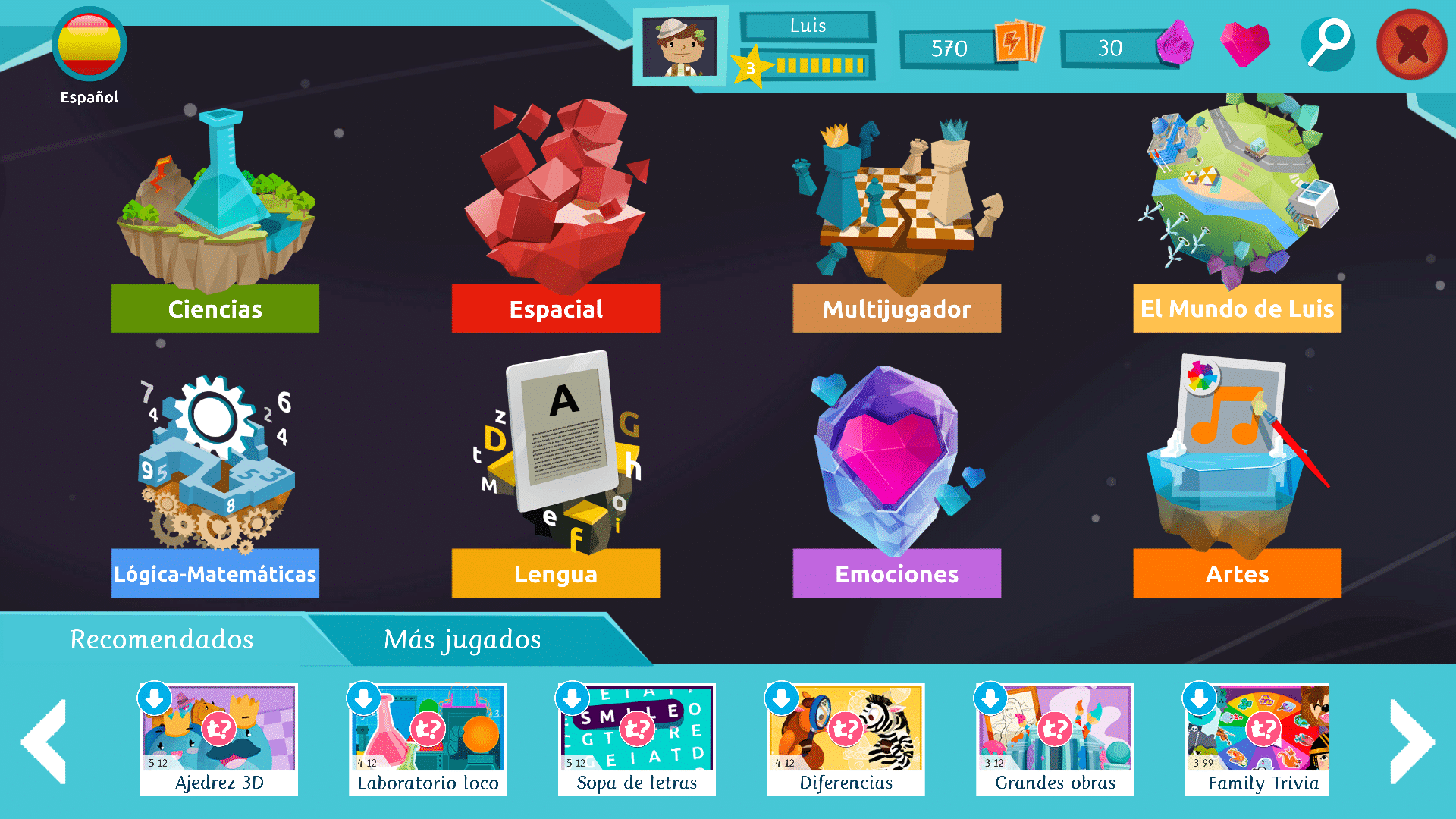
In the case of Smile and Learn, the platform makes it possible to begin with resources that can be integrated into regular lesson planning:
- A video to introduce a topic.
- An interactive activity to reinforce learning.
- A story to work on reading comprehension or emotional education.
- An adapted resource for students who need more practice.
- An English-language activity to support bilingual learning.
The initial goal should not be for every teacher to use all the features from the very beginning. What matters is that each teacher finds a first entry point and has a positive experience. From there, it becomes easier to expand its use.
Give Time and Support
Engaging the faculty does not mean expecting everything to change in one week. Implementation should be understood as a gradual process.
A first session can be used to learn about the structure of the platform and review examples from different subject areas. Then, small challenges can be proposed: trying out an activity, selecting resources for a unit, using a video as support, or sharing an experience in a team meeting.
It is also important to offer brief follow-up moments to discuss what has worked, what questions have come up, and which resources may be useful.
In this process, teachers who are more open to trying new approaches can act as nearby points of reference. Their role is not to take on all the responsibility, but to share real experiences and help innovation circulate among peers.
Connect the Tool to the School’s Project
A tool is integrated more effectively when it is not perceived as something isolated. Smile and Learn can connect with lines of work that many schools already have in place: attention to diversity, digital competence, personalized learning, bilingualism, inclusion, emotional education, and student motivation.
The platform offers videos, readings, audiobooks, and interactive activities for preschool and elementary school. They can be used to present, practice, review, or reinforce content, making it easier to find useful resources without moving away from lesson planning.
When Smile and Learn is presented as a support for responding to different classroom needs, it stops being perceived as an extra burden and begins to become part of the school’s daily life.
Faculty Engagement as the Key to Change
The arrival of a tool does not transform a school by itself. Transformation happens when teachers make it their own, connect it to their goals, and use it to improve learning.
Engaging the faculty requires listening, supporting, showing specific uses, and moving forward gradually. In this way, Smile and Learn can go from being a technological novelty to becoming a real tool for personalizing learning and enriching the educational experience.