


Summer is often associated with plans, camps, trips, activities, workshops, and ideas to make the most of every day. After a school year full of schedules and responsibilities, many families feel that vacation should be filled with experiences so children can keep learning, stay entertained, and not lose their rhythm.
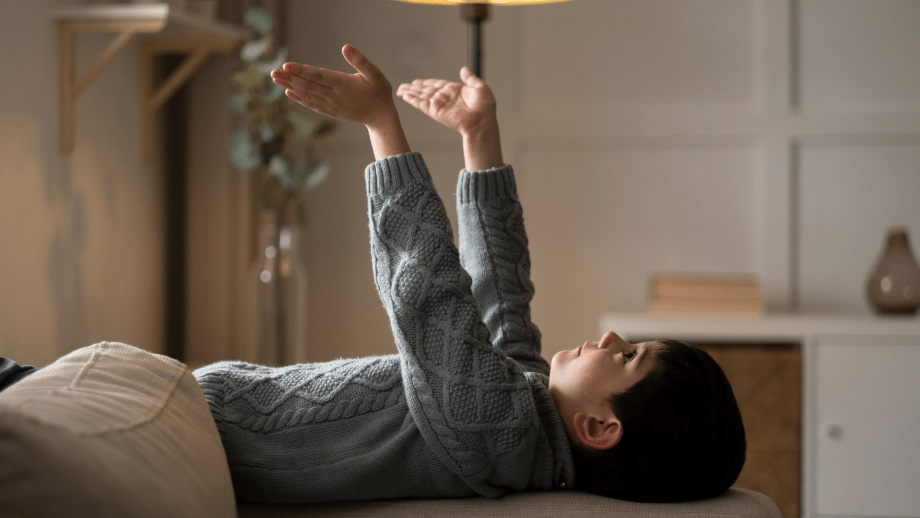
However, not all free time needs to be organized. Boredom can also be an educational opportunity. When there is no planned activity, students have space to imagine, make decisions, explore, invent games, observe their surroundings, or simply rest.
This does not mean stopping all stimulation or giving up enriching activities. It means finding a balance between activities, rest, and unplanned moments. Because learning also happens when not everything is directed by an adult.
Why Can Boredom Be Positive?
Boredom is often seen as something negative, but it can have an important value in child development. When there is no immediate activity, children need to look for alternatives. That small empty space can activate imagination, autonomy, and decision-making.
In those moments, children may invent a game, create a story, draw, look out the window, organize their thoughts, or discover something that interests them. Something extraordinary does not always have to happen. Sometimes, simply stopping also helps children think.
Boredom also helps develop tolerance for waiting and frustration. In a society where many answers arrive immediately, learning to be without constant stimulation is also important. Not everything has to be fast, entertaining, or directed.
What Happens When We Fill the Whole Summer with Activities?
Organizing activities during the summer can be very positive. Camps, outings, workshops, games, reading, and educational activities can greatly enrich vacation time. The problem appears when every moment of the day is occupied and there is no space to rest or choose.
An overly full summer can create tiredness, pressure, or a sense of obligation. Even if the activities are fun, when they are scheduled one after another without pause, they can end up feeling like a school agenda in a different format.
Children also need free time to process what they experienced during the school year, rest, play without a specific goal, and recover energy. Rest is not a waste of time: it is part of well-being and learning.
That is why, rather than filling every day, it is better to think of a flexible routine that combines moments of activity, free play, rest, movement, reading, and family time.
What Skills Are Developed During Unstructured Time?
Unstructured time offers very valuable opportunities to develop skills that do not always appear in planned activities. Some of them include:
- Creativity: when there is no fixed proposal, students can invent games, stories, or new ways to entertain themselves.
- Autonomy: choosing what to do, how to organize themselves, or what materials to play with helps children make small decisions.
- Problem-solving: when something does not go as expected, children need to look for alternatives.
- Imagination: free play makes it possible to transform everyday objects into settings, characters, or adventures.
- Self-regulation: learning to manage moments of waiting, calm, or frustration supports emotional development.
- Attention: observing the environment, focusing on a self-chosen activity, or maintaining a game for a longer time supports concentration.
These skills are essential for learning, getting along with others, and building confidence. They are not always developed through direct instructions; many times, they appear when children are given space to explore.
How Can Families Support Without Directing Everything?
Supporting boredom does not mean solving it immediately. When someone says, “I’m bored,” the response does not have to be offering a screen, finding an activity, or quickly filling that moment.
Families can help by offering a safe environment, simple materials, and some open-ended possibilities: books, paints, building games, music, recycled materials, stories, board games, or space to move.
They can also ask questions that invite children to decide: “What could you invent?”, “Would you like to create something?”, “What do you need to get started?”, or “Do you want to do something alone or with someone?” The idea is to guide without taking over the whole process.
It is important to remember that being bored is not the same as feeling lonely, disconnected, or neglected. The goal is not to ignore children, but to allow them room to find their own ideas.
How Can We Balance Rest, Play, and Learning in Summer?
Maintaining learning habits during vacation does not mean filling the day with assignments. Small moments of reading, conversation, play, movement, or short educational activities may be enough.
A balanced routine can include outdoor time, rest, free play, family activities, and some time to practice content in a light way. The important thing is that summer does not become an endless list of obligations.
It also helps to alternate guided activities with free spaces. For example, an educational activity in the morning, free play afterward, some reading time in the afternoon, and moments of rest with no specific goals.
When learning is integrated calmly, it is experienced in a more positive way. In this way, vacation remains a time to disconnect, while also allowing room for curiosity and discovery.
How Can Smile and Learn Help During the Summer?
Smile and Learn offers a digital educational environment designed to support learning in preschool and elementary school in a safe, visual, and motivating way. Its videos, games, stories, audiobooks, and interactive activities can help maintain small learning habits without turning vacation into an extension of the school year.
During the summer, the platform can be used in short and flexible moments to reinforce content, practice reading, work on languages, develop logic, discover new topics, or stimulate creativity. In this way, learning becomes part of the routine without taking up all free time.
Smile and Learn can be a support for balancing rest, play, and learning, while always respecting the need to disconnect, imagine, and enjoy unstructured moments.
In Summary
Boredom can also be educational because it helps develop creativity, autonomy, imagination, tolerance for waiting, and problem-solving skills. Not filling the whole summer with activities gives children time to rest, think, play freely, and discover their own interests.
In this process, Smile and Learn acts as a support for maintaining learning habits in a flexible, visual, and motivating way. Through videos, games, stories, audiobooks, and interactive activities, the platform makes it possible to reinforce content without giving up rest or free time.
Because learning during the summer does not mean organizing every minute. It means finding a balance between exploring, playing, resting, and continuing to discover the world calmly.