
Autonomy Is Learned Too
Autonomy is built little by little, through everyday situations, clear routines, and adults who guide without always solving everything for students. Fostering autonomy in preschool and elementary school does not mean letting students do everything on their own, but supporting them so they can gain confidence, make small decisions, and learn to take responsibility for their actions.
When children feel that they can do things by themselves, their confidence, motivation, and willingness to learn increase. That is why working on autonomy from an early age is key both at home and in the classroom.
Starting with Small Daily Habits
Autonomy develops through simple habits that are repeated often: preparing a backpack, putting materials away, choosing an activity, following a routine, or asking for help when they need it.
These small actions help students understand that they are an active part of their learning and of the group. They also help develop important skills such as organization, responsibility, decision-making, and problem-solving.
The important thing is to adjust expectations to each age and developmental stage. It is not about demanding complete independence, but about offering real opportunities to practice.
Routines That Support Autonomy
Some simple strategies can make a big difference in daily life:
- Create visual routines with clear, easy-to-follow steps.
- Give short and specific instructions.
- Offer two or three options so students can choose.
- Anticipate what will happen during the day.
- Leave enough time for them to try tasks without rushing.
- Celebrate effort, not just the result.
- Allow them to make mistakes and try again.
These routines help students feel more secure because they know what is expected of them and how they can act in each moment.
Supporting Without Doing Everything for Them
One of the biggest challenges for families and teachers is finding the balance between helping and giving space. Sometimes, because of lack of time or the desire to avoid frustration, adults end up doing tasks that children could try to solve themselves.
However, every time they are given the opportunity to participate, think of a solution, or make a decision, they are practicing autonomy. The adult’s role is to observe, guide, ask questions, and offer support when needed.
Phrases such as “What could you do first?”, “Do you want to try it another way?” or “I’m here if you need help” encourage a more active and responsible attitude.
The Role of Educational Technology
The Smile and Learn platform can be a useful tool to foster independence in preschool and elementary school, as it offers a safe, intuitive environment designed for students to use on their own. Its simple navigation, visual resources, and guided activities make it easier for each student to explore, practice, and progress with confidence.
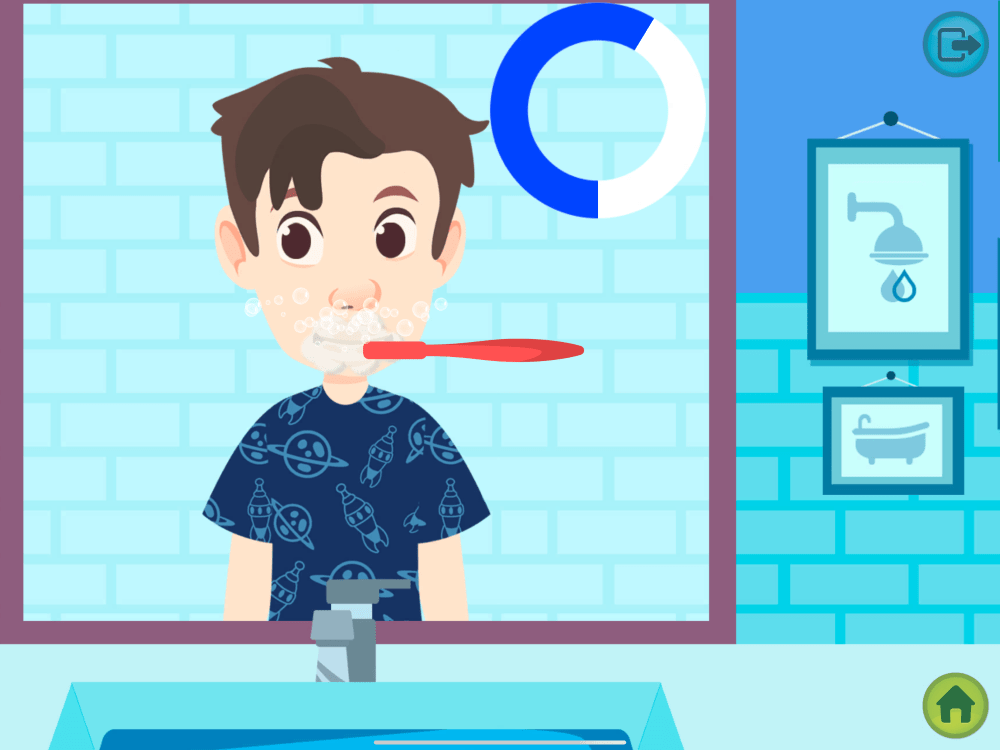
Smile and Learn also includes videos, games, and activities that help students learn everyday tasks and habits related to personal care and responsibility. In this way, the platform not only reinforces curricular content, but also practical skills that support independence in daily life.
It also allows teachers and families to support the process in a personalized way by selecting appropriate resources and monitoring progress. As a result, the development of personal initiative takes place within a safe, motivating educational experience adapted to different learning paces.
In Summary
Fostering the ability to do things by themselves in preschool and elementary school means supporting more active, conscious, and personalized learning. When students participate, make decisions, try, and reflect, they not only learn content: they also develop confidence, responsibility, and the ability to face new challenges.
In this process, Smile and Learn acts as a support so each student can move at their own pace and practice more independently over time. The app is designed so children can use it easily, access videos and activities adapted to their level, and reinforce learning in a safe environment.
Because learning with autonomy does not mean learning without support, but rather having the right tools to build confidence step by step. Smile and Learn helps make that path more accessible, motivating, and connected to the real needs of both the classroom and the home.